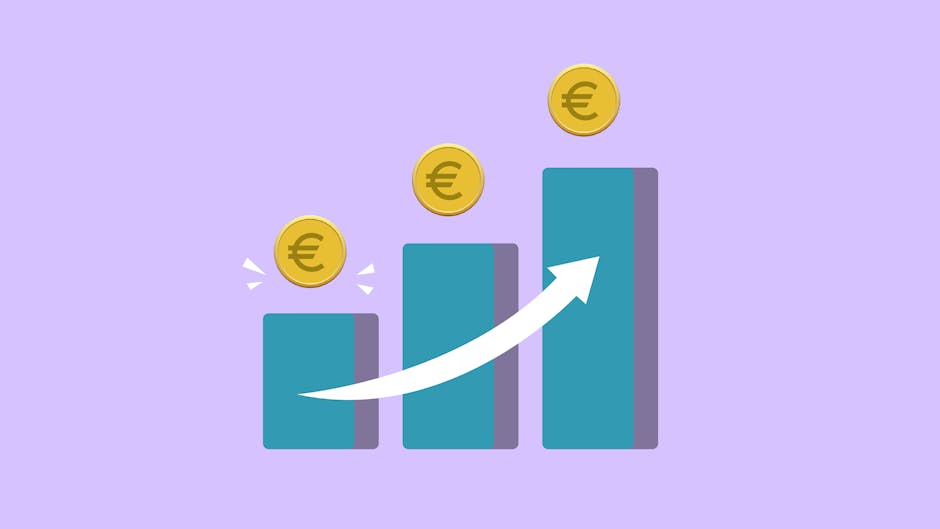
Your conversion rate is the percentage of visitors who complete a desired action, whether that's signing up, requesting a demo, or buying. To improve conversion rate, test, measure, and refine each stage of your customer journey rather than relying on assumptions about what works.
Most SaaS teams focus on traffic first and ignore what happens once someone lands on the page. That's backward. A smaller stream of visitors who convert beats a huge crowd that bounces. Here's how to optimize.
1. Understand Your Current Conversion Rate Before You Optimize
You can't improve what you don't measure. Start by pinpointing your baseline conversion rate across different stages.
Related: How to Improve Conversion Rate: 7 Proven Tactics
Not all visitors are equal. Someone clicking an ad is at a different stage than someone landing on your pricing page. Break down your funnel into steps: landing page views, demo requests, trial signups, paid conversions. Measure each one separately. This tells you exactly where prospects drop off and where you have the most leverage to improve.
Related: Best Conversion Landing Page Builders 2026: Top 5 Ranked
Also check your conversion rate by page. Your homepage, product page, and pricing page will convert differently. Analyze which pages drive actual conversions and which ones are just traffic sinks. That's where your optimization effort should start.
2. Build a Clear Value Proposition That Hits Immediately
Visitors spend seconds deciding whether to stay or leave. Your value proposition has to answer one question instantly: why should I care?
Vague claims like "industry-leading solutions" don't work. Instead, tell people exactly what problem you solve and who it's for. "Save 10 hours a week on scheduling" beats "streamline your workflow." Be specific about the benefit your product delivers.
Put your value proposition in the headline, not buried in body copy. Make it the first thing people read. If they don't get why you matter in the first few seconds, they're gone. When building websites and funnels, this is a core part of the design: making your unique position obvious from the start.
3. Run A/B Tests on Your Highest-Traffic Pages
Data-driven decisions outperform assumptions. A/B testing means showing two versions of a page to different visitors and measuring which one performs better.
Start with your biggest lever: the page or section that gets the most traffic. Test one element at a time (headline, button color, form length, image). Never test five things at once; you won't know what actually moved the needle.
Run tests long enough to get reliable data. A few clicks don't tell you anything. Keep tests running until you have enough data to draw conclusions. Then take the winner and test the next variable. This cycle compounds over time.
4. Simplify Your Forms to Lower Friction

Every field in a form is a barrier. The longer it is, the fewer people complete it.
Ask yourself: do you really need that information right now? If someone is just requesting a demo, you need a name, email, and maybe company size. Everything else can wait until after they've engaged with your product. Cut unnecessary fields and watch conversion rate improve.
Use smart form logic too. If someone picks "enterprise," show them enterprise-focused questions. Don't ask a solo founder about team size. Personalization can feel more relevant to visitors.
5. Create a Structured Sales Funnel With Stage-Specific Messaging
Not everyone on your site is ready to buy. Some are just learning about the problem. Others know they have a problem but haven't picked a solution. A few are ready to sign a contract today.
Related: Sales Funnel Payment Integration Explained for SaaS
Your funnel should guide each of these groups differently. Someone at the awareness stage needs education and information about your solution. Someone at the decision stage needs pricing, demos, and customer information.
Use landing pages, emails, and follow-up sequences that match each stage. Don't throw everything at someone on day one. Lead them through a path where each step builds trust and moves them closer to a decision.
6. Use Social Proof and Remove Friction From the Decision
People often trust other customers more than marketing claims. That's why testimonials, case studies, and customer logos work.
Add proof near your call to action. Show results from real customers. If you have customer logos, put them above the fold. If you have a Net Promoter Score or customer satisfaction stat, display it. These don't have to be fancy; a simple list of logos does the job.
Also remove anything that makes people nervous. Use clear refund policies, free trials, or money-back guarantees if you can offer them. The less risk someone perceives, the more likely they are to convert.
7. Optimize Your Call-to-Action and Landing Page Layout

Your button text matters. "Sign Up" is weak. "Start My Free Trial" or "Book a Demo" is stronger because it tells people what happens next.
Place your CTA above the fold so people see it without scrolling. Use contrasting colors so it stands out. Make it large enough to tap on mobile. Test button copy and placement because even small changes affect conversion rates.
Also check that your landing page is mobile-friendly. Most traffic is mobile now. If your page looks broken on phones or is slow to load, people leave. That kills your conversion rate instantly.
Test Continuously and Track What Works
Increasing conversion rate is not a one-time project. It's an ongoing cycle of testing, learning, and refining. Run one test, measure the result, move to the next test. Over weeks and months, these small gains compound into improvements.
Keep a log of what you tested, what won, and by how much. This builds a playbook for your business. You'll start to see patterns in what resonates with your audience and what falls flat.
People Also Ask
What is a good conversion rate for SaaS?
It depends on your funnel stage. For website visitors to trial signups, 2-5% is typical. Demo requests might be 1-3%. Free-to-paid conversion varies based on price and product, but 5-15% is common for lower-priced SaaS. The best benchmark is your own previous performance; focus on improving your rate month over month.
How long does it take to see conversion rate improvements?
Quick wins from obvious fixes (simplifying forms, clearer CTAs) can show up in days. Meaningful tests need weeks of data to be statistically reliable. Building a testing culture and seeing compounding results takes months. The sooner you start, the sooner you see gains.
Should I focus on conversion rate or traffic first?
Conversion rate first. If you have 1,000 visitors and 1% converts, that's 10 customers. Increasing your conversion rate to 2% doubles customers to 20 without spending more on ads. Then layer in traffic growth. This order multiplies your results faster than chasing volume alone.
What tools do I need to track conversion rates?
Start with your website analytics platform, which tracks page views and goals. For more detailed funnel tracking, you can add form tracking and event measurement. Most SaaS tools have built-in conversion tracking; check what your app already logs. You don't need fancy tools to start; basics cover most needs.